
Cheap Macro Instax Mini Camera
And some fun things you can do with it

Introduction
I have long been fascinated with the idea of using instant film - I have owned a number of classic Polaroids, including the SX-70,
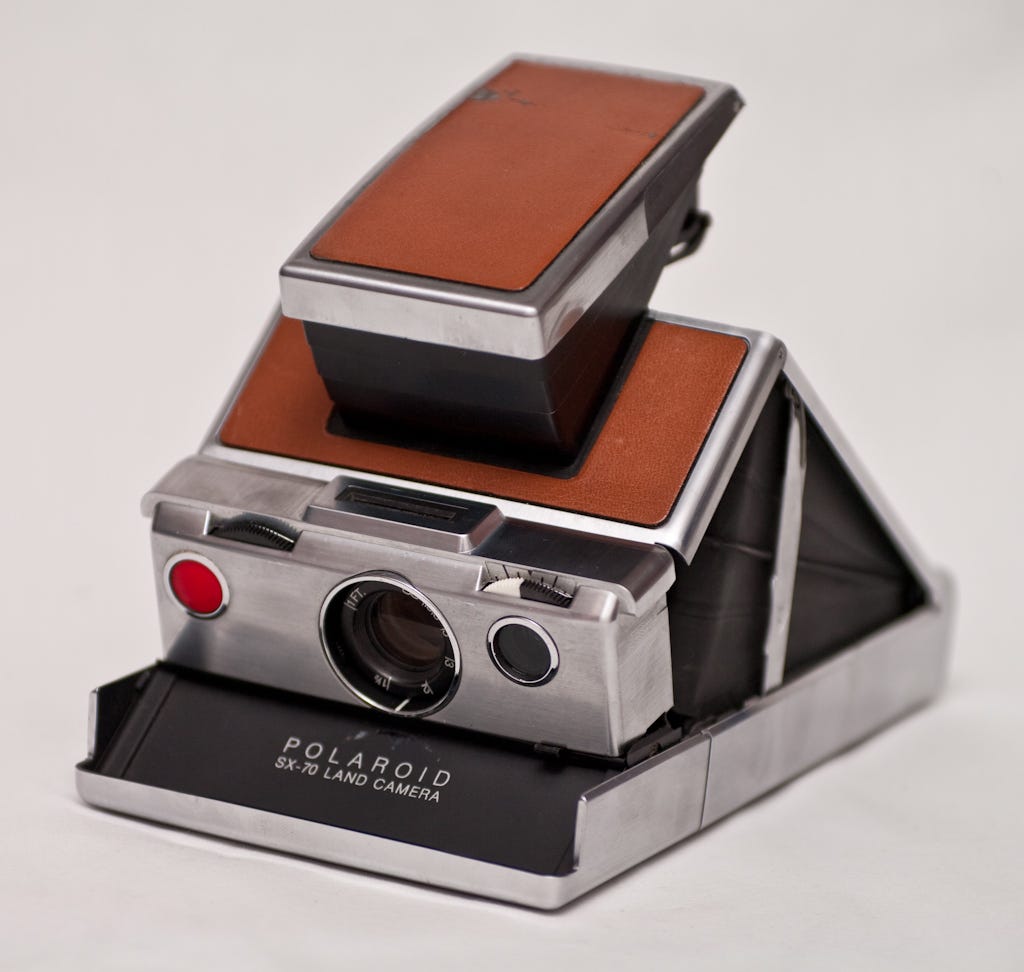
[image from Wikipedia]
and SLR680,
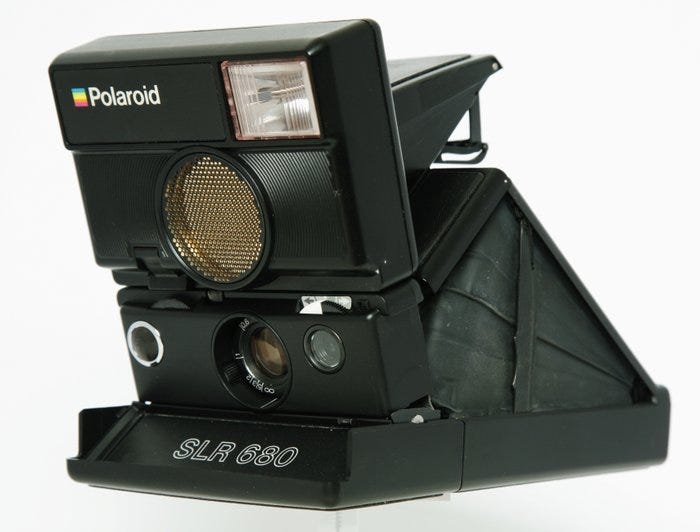
[image from catawiki.com]
and a very clunky 600-series.
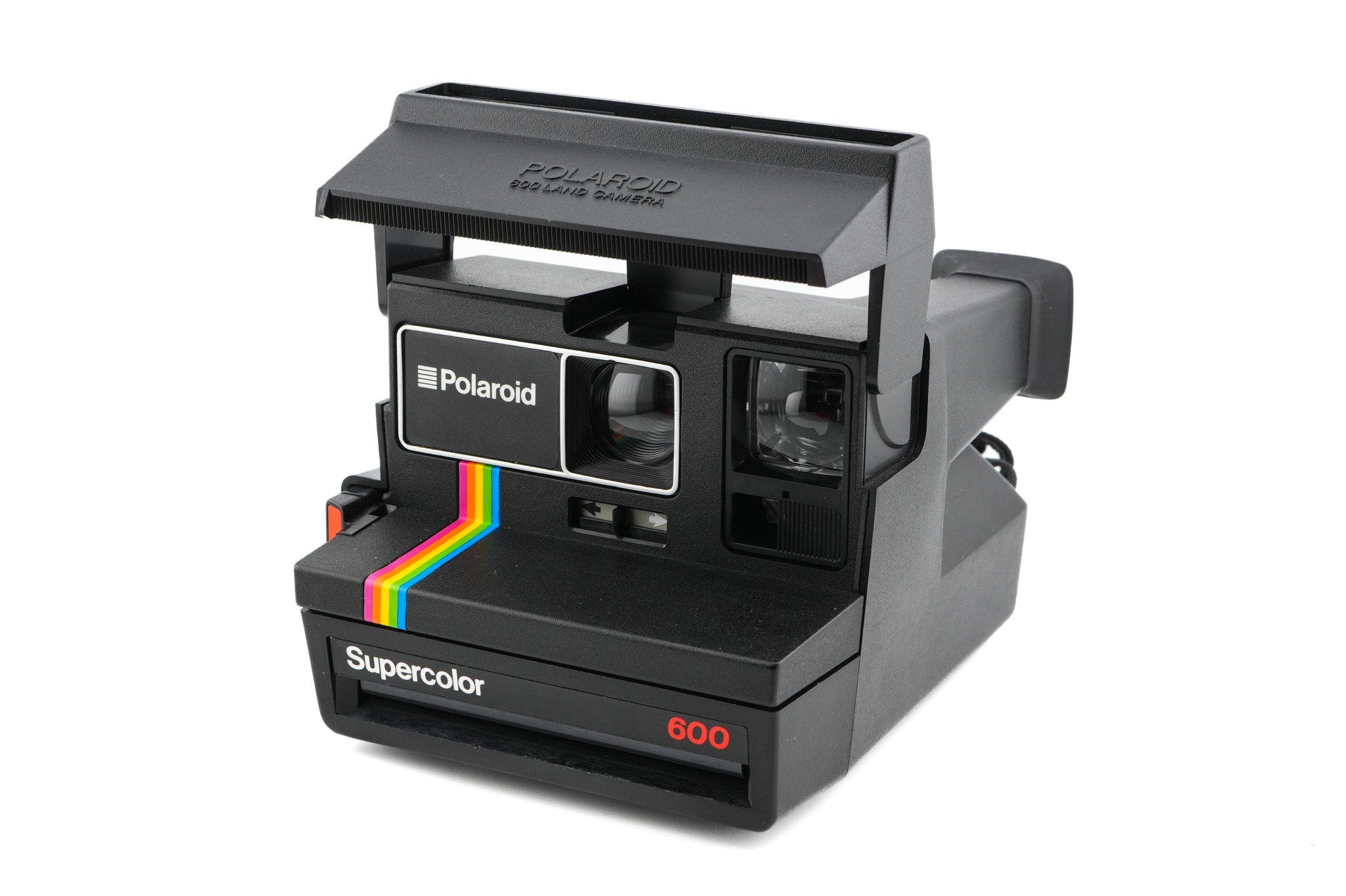
[image from lens-camera.com]
in my teens. My favourite was probably the Spectra,
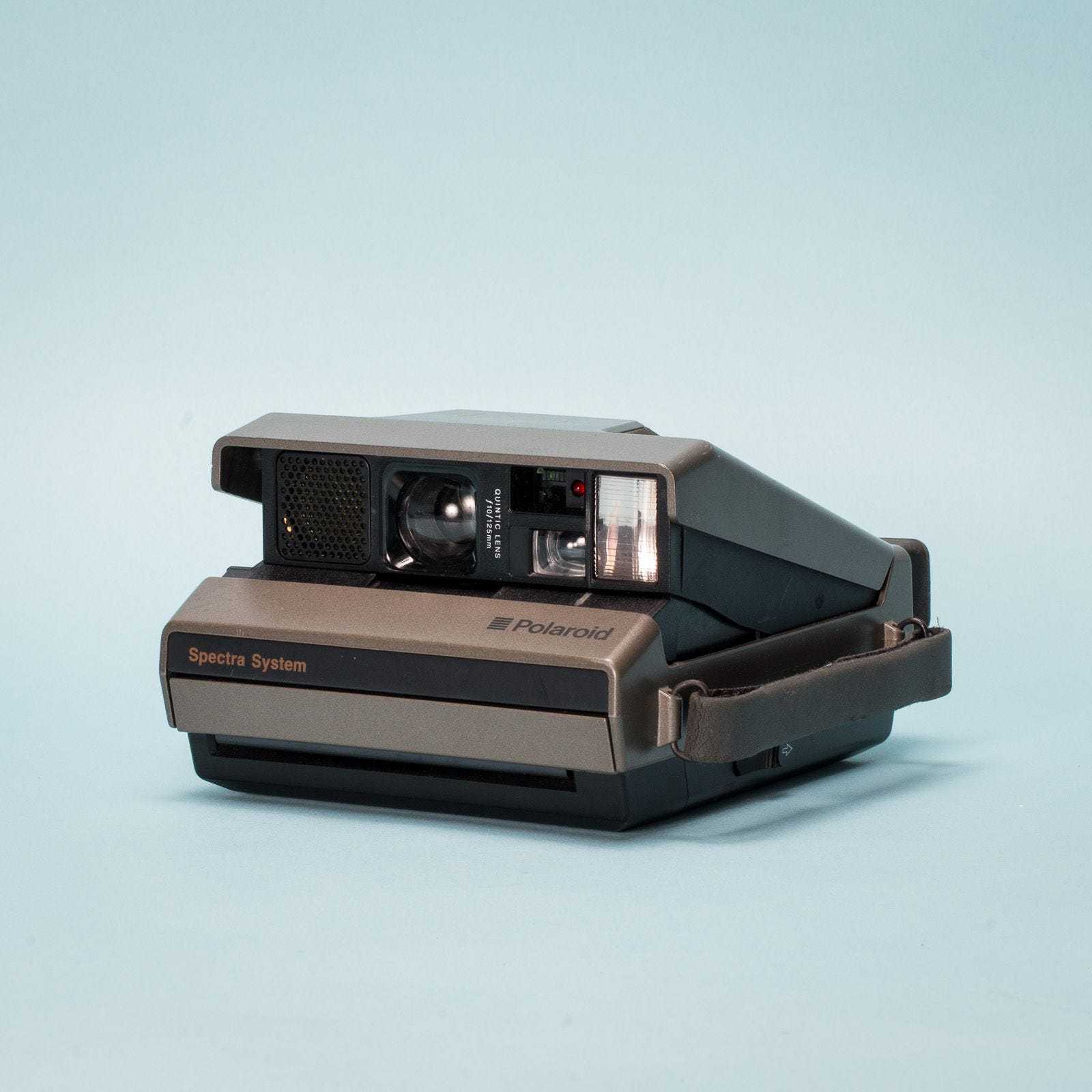
[image from artofit.org]
but that film no longer exists, so I’ve been trying to get my fix elsewhere.
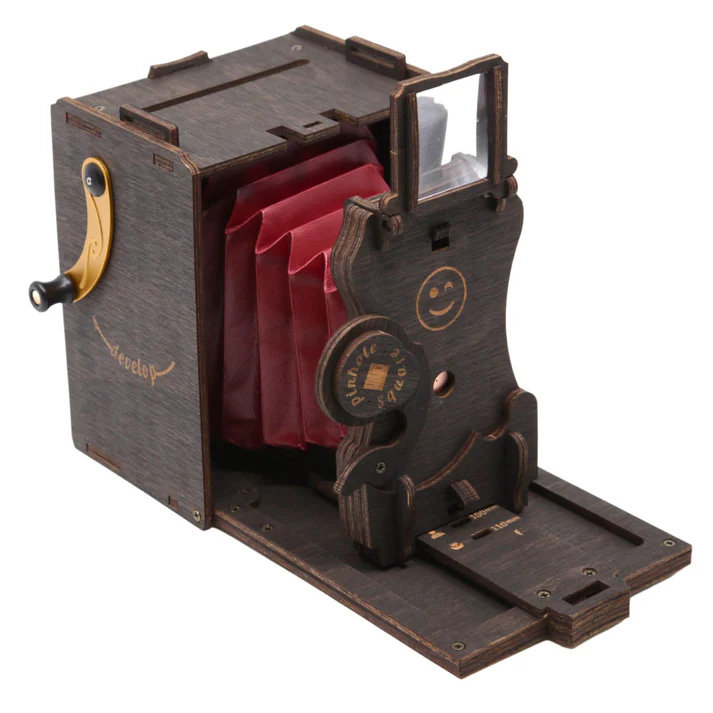
Recently, I had tried to build and use the Jollylook pinhole,
[image from Jollylook]
that takes Instax Square film, though I had repeated issues with the eject mechanism missing or simply cutting through the film sheets.
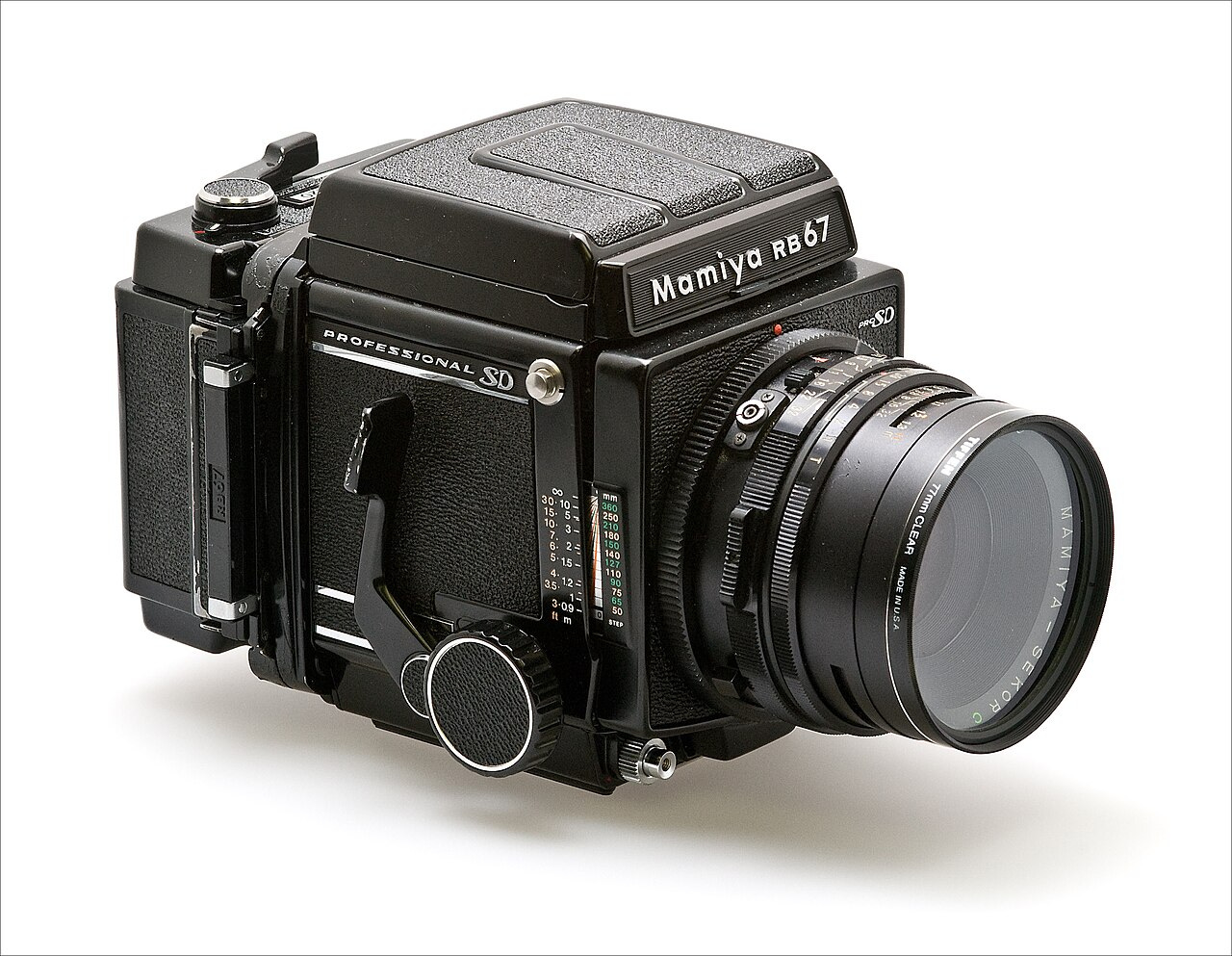
What I really wanted, was to find a cheap and cheerful instant back with a working developer mechanism that I could take apart and fit to a camera like my Mamiya RB67
[image from Wikipedia].
While looking for such an item, I stumbled across...
The camera
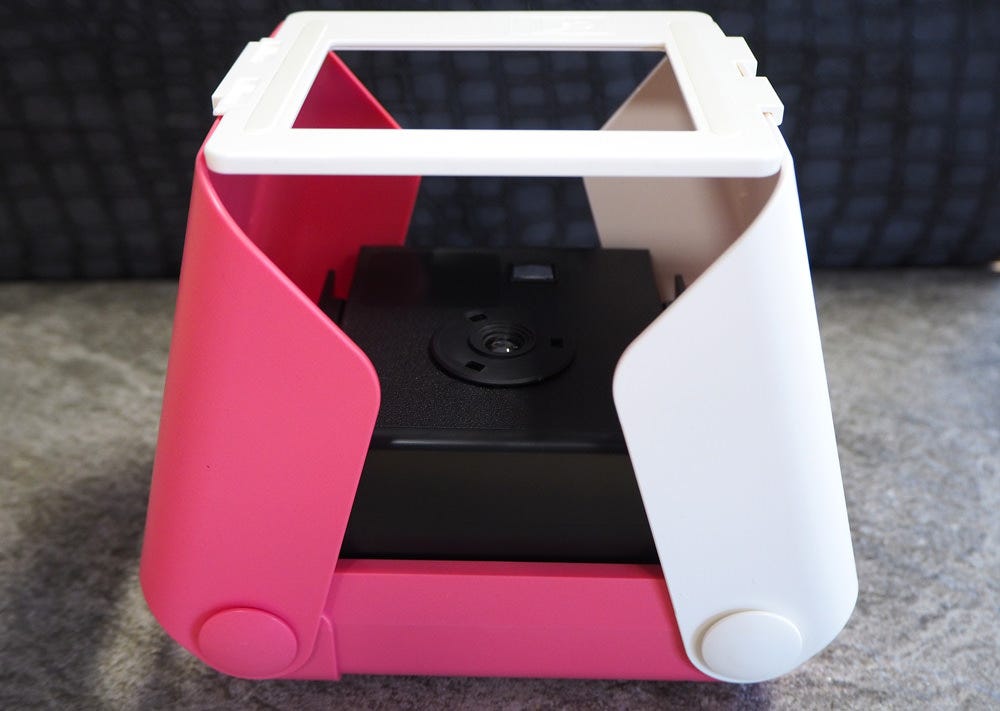
The Tomy KiiPix
[image from ephotozine.com]
An unlikely-looking device designed for “printing” images from a mobile phone onto Instax Mini instant film. The way it works is actually rather simple. It folds open to allow the image to be framed on the screen, then literally takes a photo of the camera screen using a built-in lens and shutter arrangement. The film is then ejected through the rollers to produce an instant photo.
The price
The first thing I noticed about the camera was the price! These things are available second-hand on the usual marketplaces for very little money. Mine cost me £10.84 delivered, and arrived in excellent condition.
Even new, they are available for around £23 on Amazon
A 2-pack of Instax Mini colour film (20 shots in total) from Argos in the UK costs about £15, so it’s comparatively affordable for instant film these days.
[image from manual]
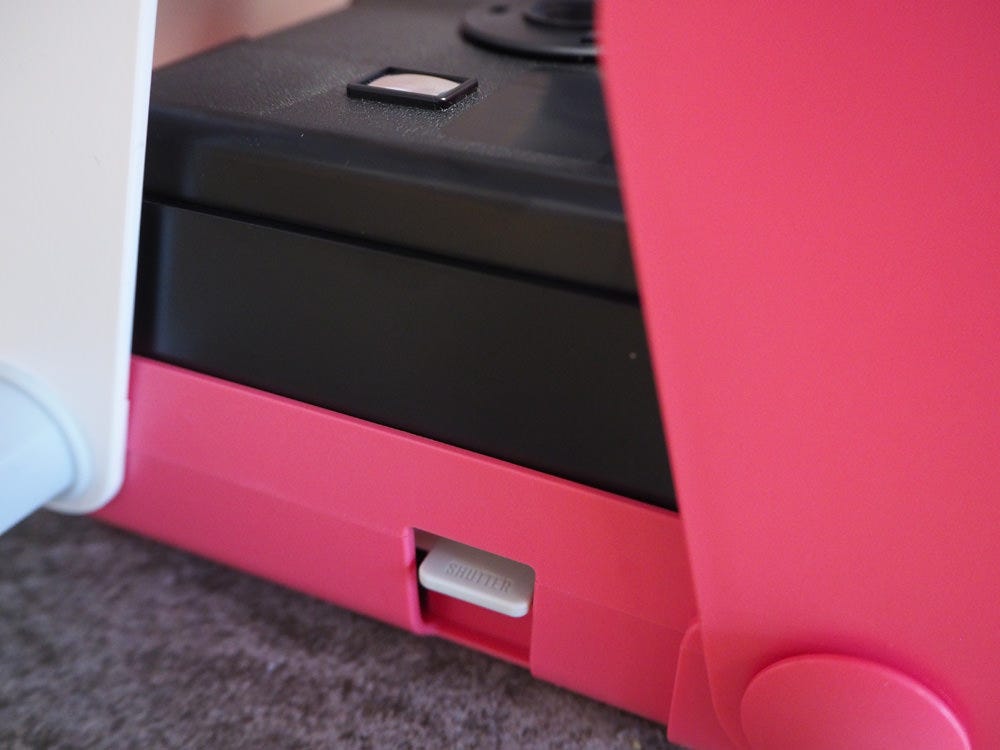
The shutter
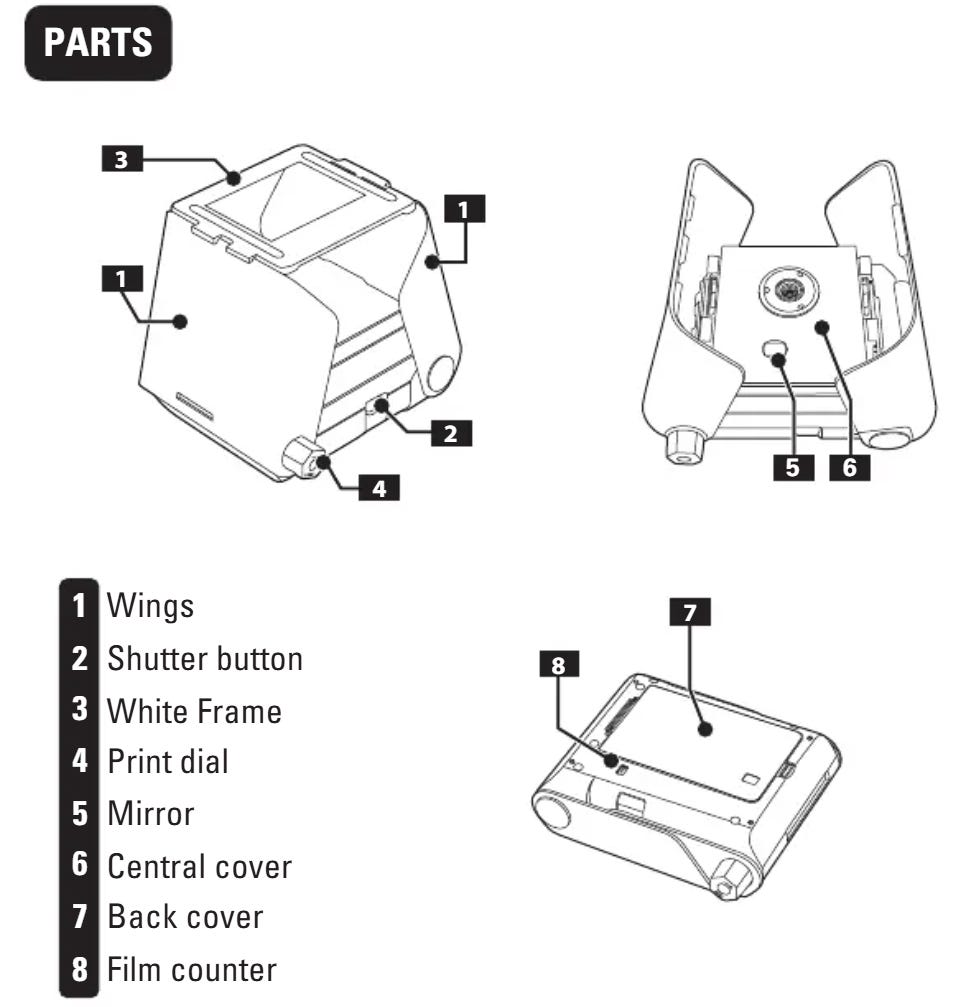
The shutter on the KiiPix is a very simple fixed-speed box-camera-type shutter. It is probably around 1/30s, and is triggered by depressing the plastic lever on the side of the camera until you hear a click. It’s not totally infallible, and sometimes needs quite a firm press to ensure the shutter has been tripped.
There’s no interlock so, if you misfire the shutter, the film will come out black.
[image from ephotozine.com]
The mirror
There is a little convex mirror on the front of the camera, similar to a selfie mirror. In this case, it can be used to check the alignment of the phone screen on the focus frame if you use the camera facing upwards, which is how the manual recommends you use it.
Top tip: If you use it the other way up, it’s much easier to see if the screen is aligned!
The knob (“print dial”)
Once the photograph has been taken, the film can be ejected through the rollers. On this camera, this is a manual operation so you turn the (quite stiff, but solid) knob a few turns until the film has totally ejected and the resistance decreases.
I was pleasantly surprised by the eject and processing mechanism. It has always felt rock-solid and has never failed me in any way. Every image has been fully developed and it’s never failed to pick up the film.
The film counter
A quality-of-life feature that I wasn’t expecting to find was the automatic film counter. This counts down from 10 to 0 as you burn through your Instax Mini pack and makes it much easier to keep track of how many shots are remaining.
Loading & using
This is a very simple camera to get started with. There are no controls, and once you figure out how the folding parts lock together, it’s very easy to open up and pack away.
Loading the film is as simple as opening the door on the back, removing the empty cassette and replacing it with the new one. It only fits one way round and the back door is solid.
Turn the knob to eject the dark-slide, and you’re ready to go!
The two flaps on the front open up, and the framing mask slides out from the body of the camera to mount between the wings. As you do this, the lens pops up and the rubber bellows extend to ensure focus at the frame.
After you’ve finished, the lens panel is pushed back into the body and locked in place with the mask, before folding the protective wings back down over the lens.
Its intended purpose
As I’ve mentioned, the camera is designed for use with a mobile phone to “print” photos onto instant film.
In use, you need quite a bright screen and fairly bright images. I actually found that it worked better with a Laptop screen than a mobile phone (which is one of the reasons I think it’s easier to use upside-down!)

But... Because it is a camera, with a lens and a shutter and a processing mechanism, it can be used for other things, too!
As a macro camera
The most obvious alternative use is as a Macro camera. Instead of a phone screen, you can take photos of objects placed at the same focal plane. The focal plane is rather narrow, though, and lighting the objects takes a bit of trial and error!
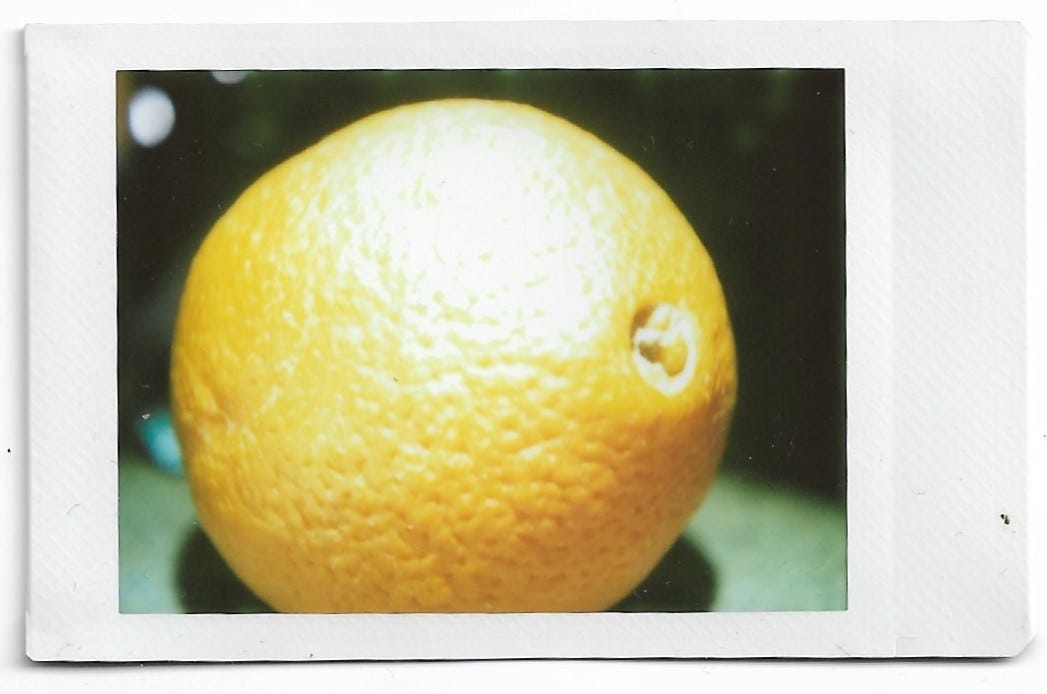
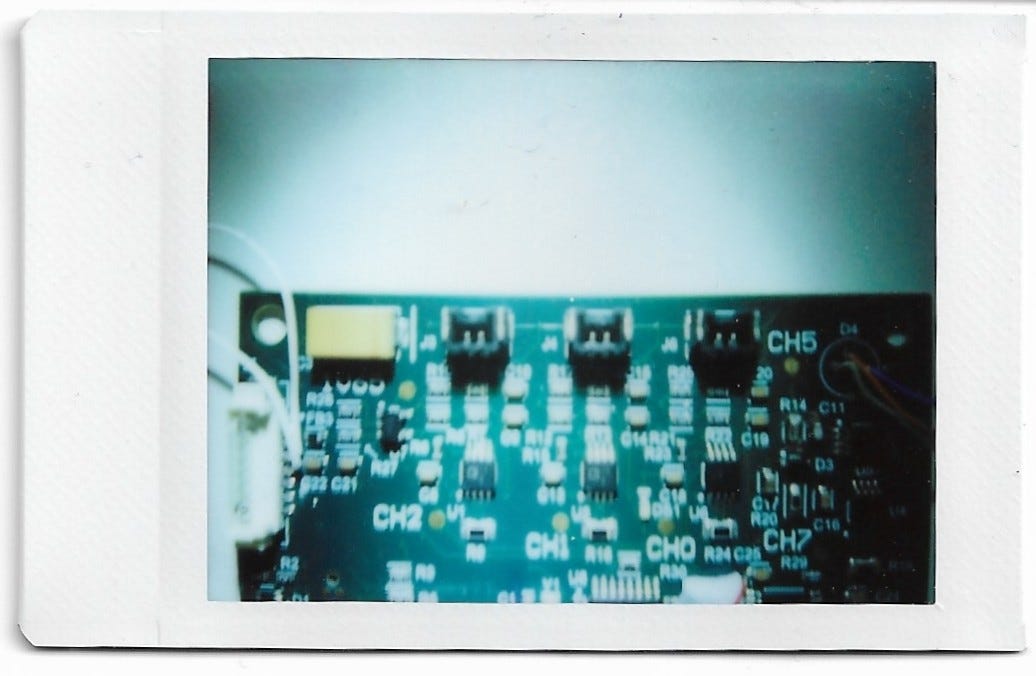
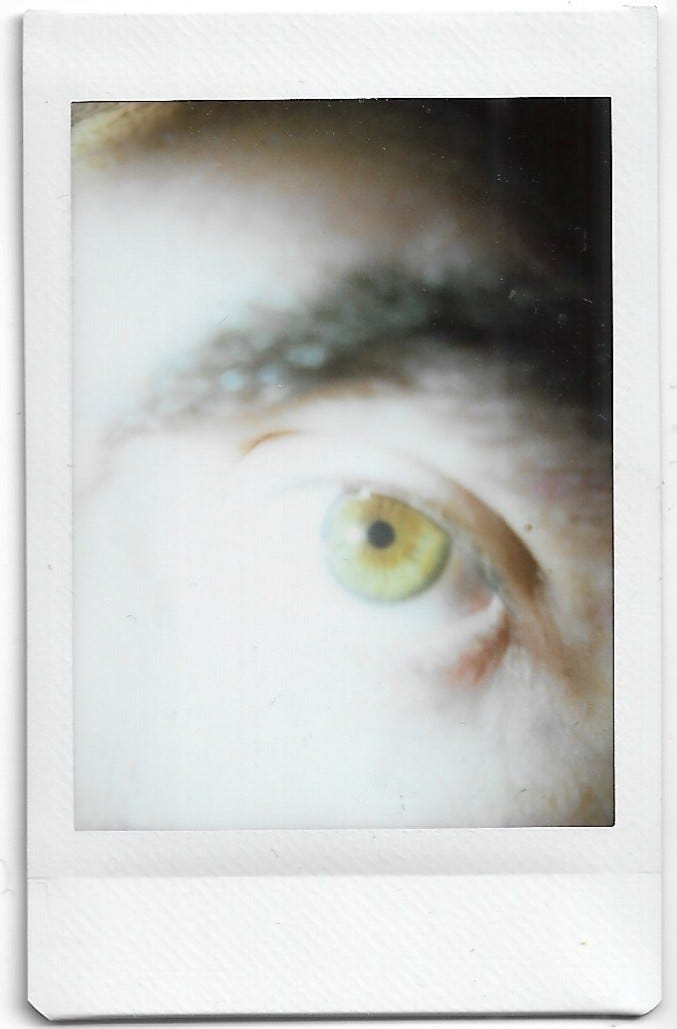
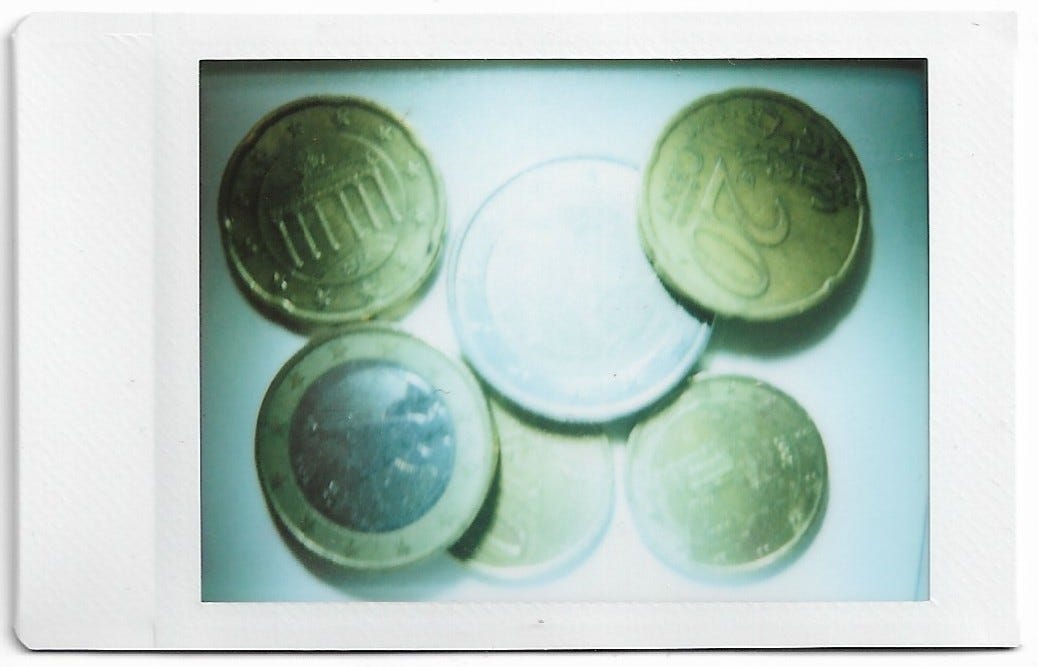
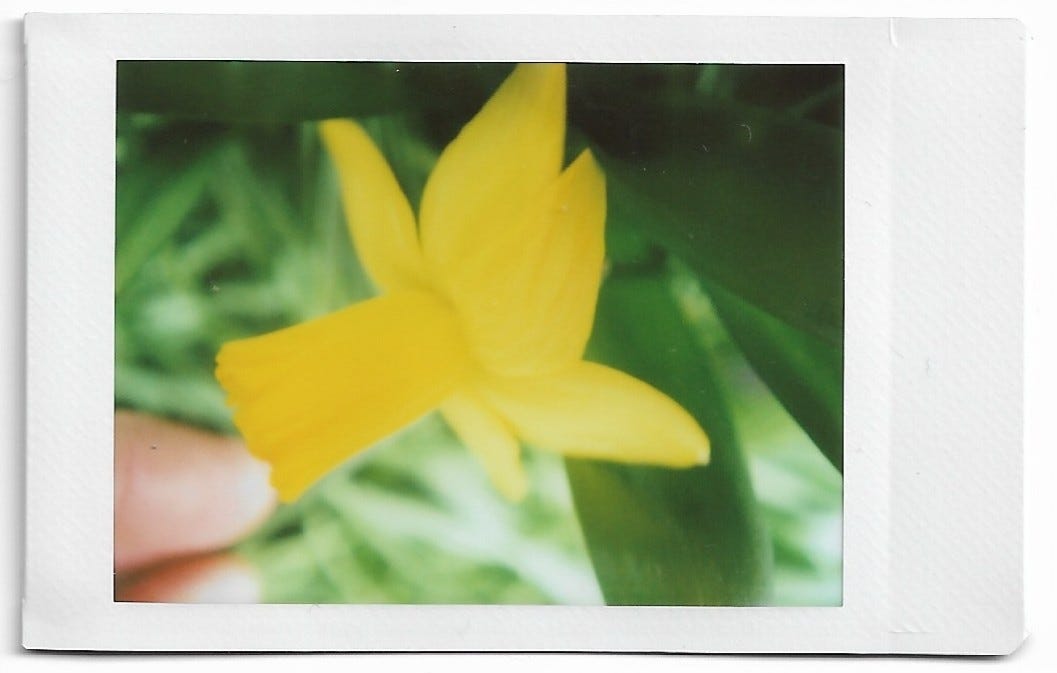
[images mine, with varying levels of success!]
As a “normal” camera
My next thought as... if this is a macro camera with extendable bellows, could I extend the focus distance by pushing the lens back in towards the body?
The short answer is “yes”!
The longer answer is... kind of :) The image circle decreases significantly at longer focal lengths, because the lens is much closer to the film. In addition, the amount of light hitting that smaller patch is the same light that was previously hitting the entire frame, so it’s easy to overexpose. I got a few totally white images trying this technique.
To make this work, I used tape to hold the lens plate closer to the film. An elastic band might also work if you found one the right size.
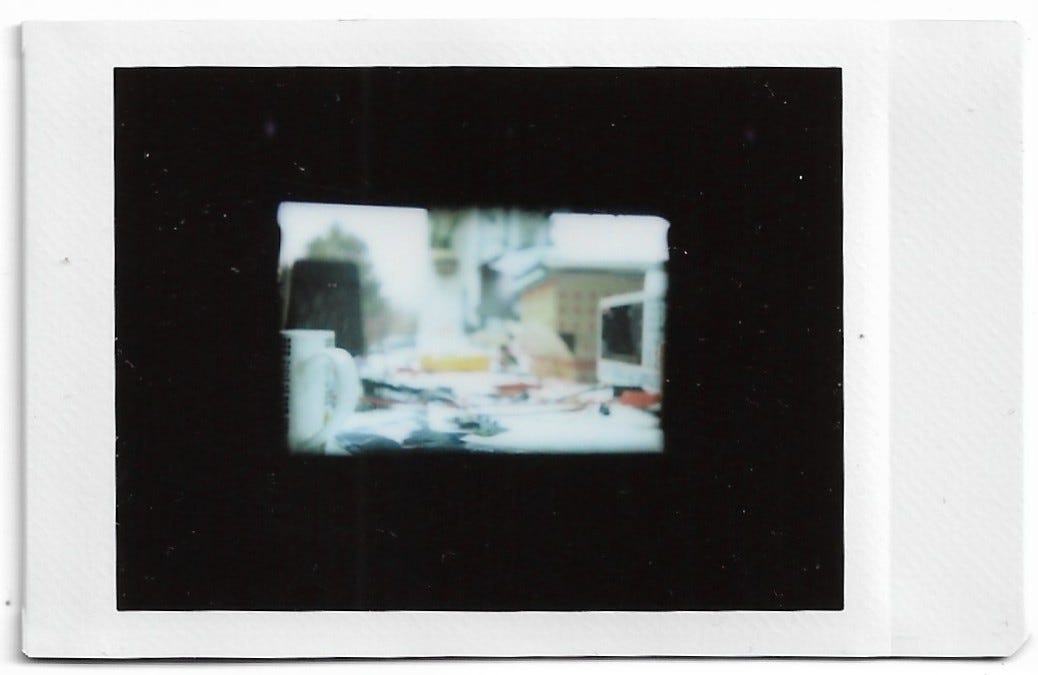
As an instant back
This is why I really wanted the KiiPix and, now that I’ve shot the two packs of film that I bought to test it, I’m likely to start taking it apart (carefully...ish) to see if I can mount it to an RB67!
Watch this space :)
How about you? Have you tried one of these mechanical instant film printers? Do you have any tips or tricks? Have you ever dismantled one??
I have a work in progress designing a back to adapt Instax Mini to Horseman 6x9 cameras (small Graflok). I should get back to it, but this might be a more efficient way than using the mechanism from a sacrificial Instax Mini. I'd love to get Instax Wide in there for the full 6x9, but the wide border makes the sheets too big to fit at the standard focal plane.